
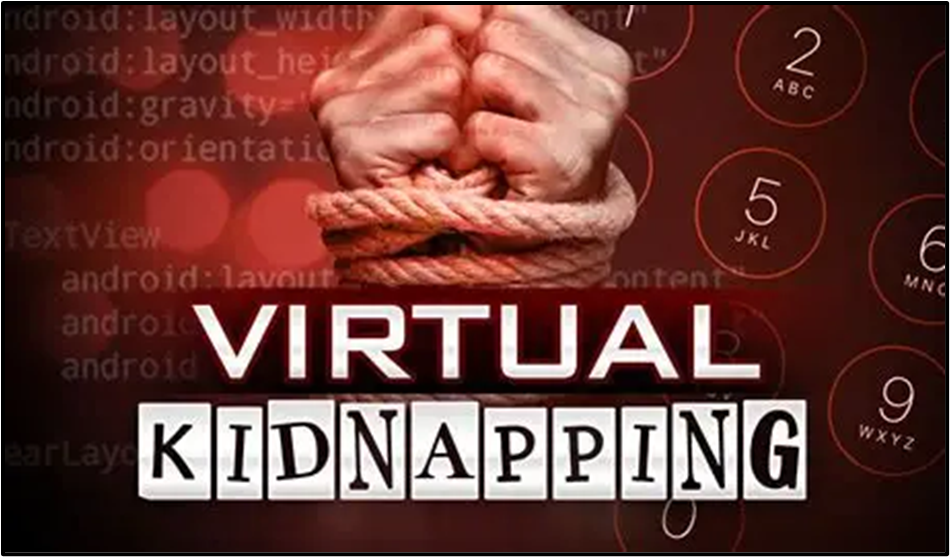
In an era where the first “photo” of a child is often an ultrasound posted to social media, the boundaries of privacy have shifted. While sharing milestones with friends and family feels natural, it has given rise to a disturbing phenomenon known as Digital Kidnapping.
As we navigate 2026, the intersection of AI and social media has made this threat more sophisticated than ever. This article explores what digital kidnapping is, how it has evolved, and how you can protect your family’s digital footprint.
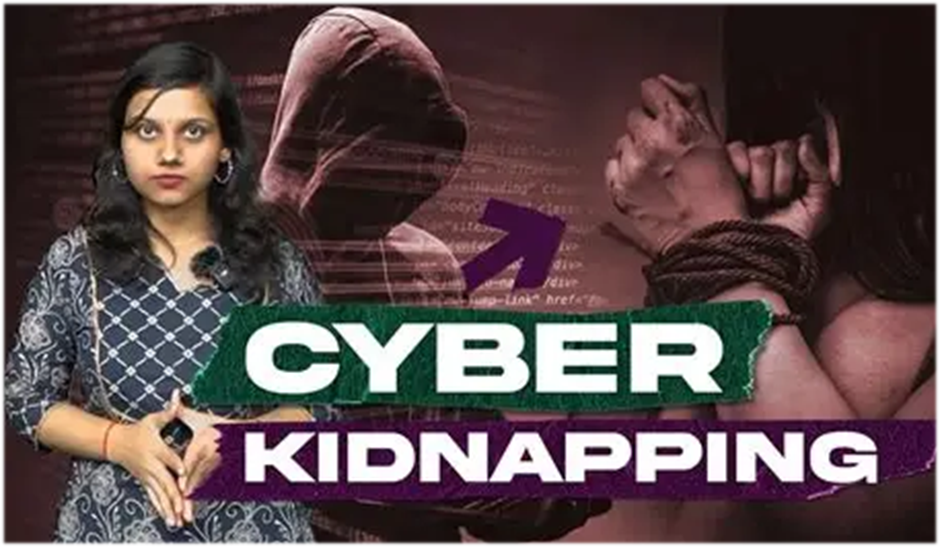
What is Digital Kidnapping?
Digital kidnapping occurs when a stranger steals photos of a child from the internet and reposts them as if they were their own. Unlike a physical kidnapping, the child remains safe at home, but their digital identity is hijacked.
Perpetrators often use these photos to:
- Create “Role-Play” Lives: Using hashtags like #babyrp or #adoptionrp, some users create elaborate fantasy lives, pretending the child is theirs.
- Commit Financial Fraud: Scammers may use photos to create fake GoFundMe pages or adoption scams, exploiting the emotional appeal of a child’s image.
- Extort Parents: In a more aggressive version, hackers may seize control of a parent’s social media account and hold the family’s digital memories for ransom.
The 2026 Landscape: AI and Deepfakes
The risk has escalated with the “industrialization” of cybercrime. In 2026, hackers aren’t just stealing static photos; they are using generative AI to manipulate them.
- Voice Cloning: A few seconds of a child’s voice from a video can be used to create a “virtual kidnapping” scam, where parents receive a call that sounds exactly like their child in distress.
- Deepfake Exploitation: Stolen images can be fed into AI models to create new, unauthorized content, ranging from innocent-looking advertisements to malicious deepfakes.
- Automated Intelligence: AI bots now scan public profiles for “high-value” data—like school uniforms or geotagged locations—to build detailed profiles of families for targeted social engineering.
The “Sharenting” Connection
The primary fuel for digital kidnapping is sharenting—the habit of parents over-sharing their children’s lives online. Research suggests that by 2030, sharenting could account for nearly two-thirds of identity theft cases.
Every “first day of school” photo that includes the school’s name or a child’s full date of birth is a piece of a puzzle that a digital kidnapper can use to build a fraudulent identity.
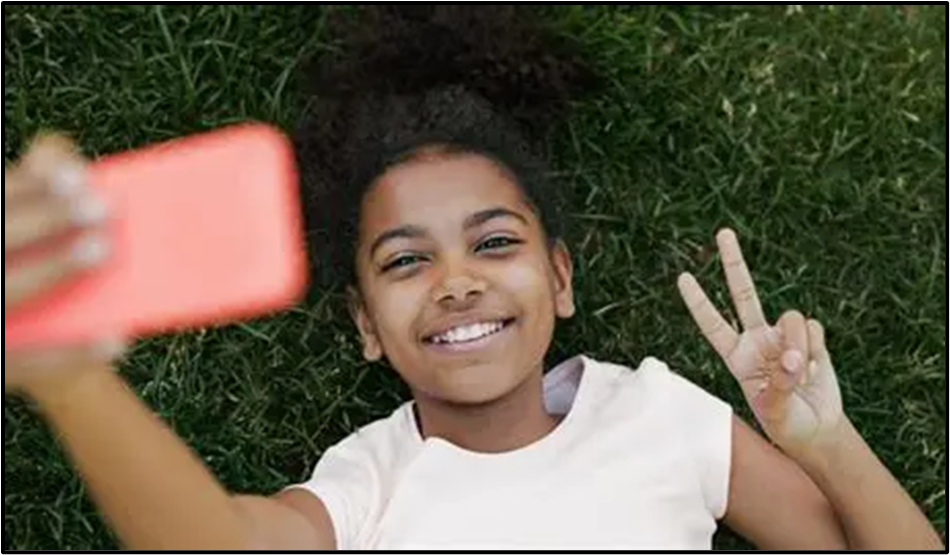
5 Ways to Protect Your Family
You don’t have to disappear from the internet, but you should practice “digital hygiene” to keep your children safe.
| Strategy | Action Step |
| Audit Privacy Settings | Ensure your profiles are “Friends Only.” Periodically review who actually has access to your feed. |
| Strip MetaData | Disable geotagging on your phone’s camera. Photos often contain hidden GPS coordinates of your home or your child’s school. |
| The “Uniform” Rule | Never post photos where a school logo, street sign, or house number is visible. |
| Establish Consent | As children grow, ask them before you post. This teaches them about digital boundaries and reduces their future “digital debt.” |
| Use Watermarks | Placing a subtle watermark or sticker over a portion of the photo makes it much less “usable” for role-play accounts. |
Conclusion
The digital world offers incredible ways to stay connected, but it requires a new level of vigilance. By being intentional about what you share today, you protect your child’s reputation and safety tomorrow.